

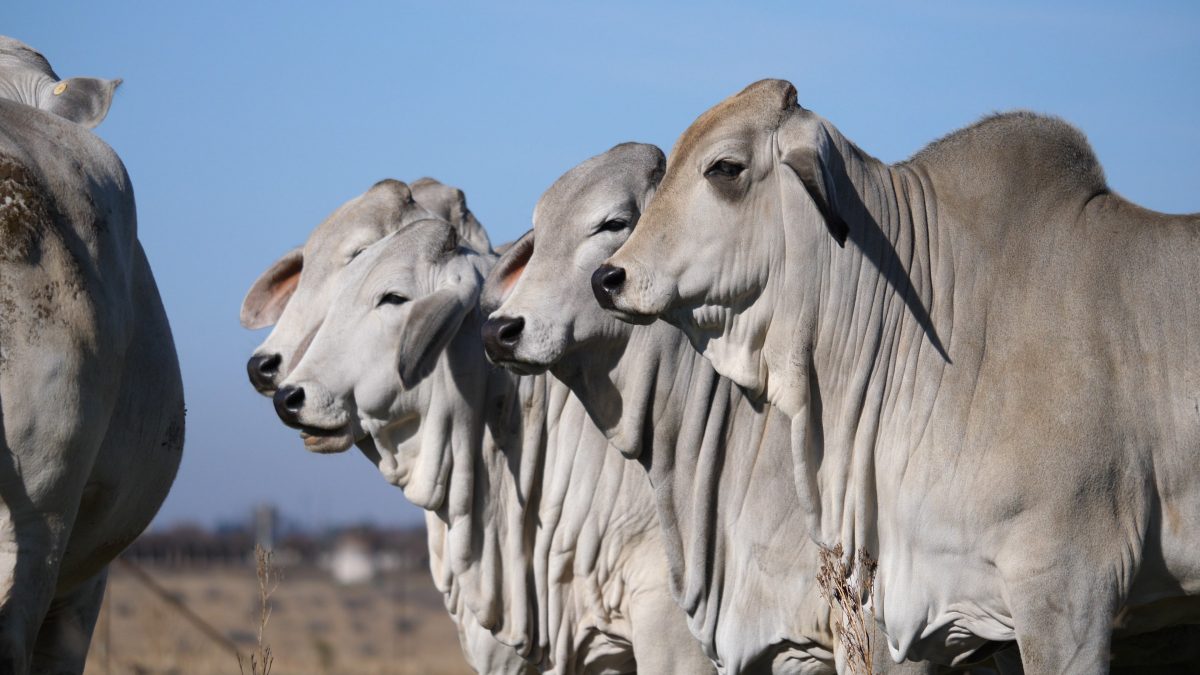
Mothering ability may be one of the most important traits when it comes to selecting genetics for your breeding herd. This term is used to describe the natural instinct that the cow has towards protecting and rearing a healthy and lively calf until it is of weaning age. Mothering ability is influenced by a number of factors, such as genetics and environment, and it is widely accepted that a cow’s mothering ability is directly related with the growth rate of her calf, and its weight at weaning.
Factors influenced by mothering ability
Milk yield
The amount of milk that is produced by a cow for her calf is one indication of her mothering ability, as poor mothers are unable to continue producing the yields that their calves need in order to survive and grow.
Willingness to nurse
Every mother should be willing to let her calf suckle, and should have an immediate instinct to nurse it. This instinct may be slightly delayed if it is a first-calf heifer, or if the amount of oxytocin released is too low. In this case the heifer may kick at her calf if it approaches, may ignore it, and even desert it in some cases. There are a few ways to “kick-start” the mothering instinct of the cow, such as smearing birth fluids from the calf on her muzzle, or placing enticing feed on the calf so that she is inclined to lick it off. This act of licking the newborn calf stimulates the bonding process as the cow learns the smell of her calf, and how to identify it.
Protection
A cow’s instinct to protect her young is especially beneficial when it comes to cattle reared under extensive practices. With less supervision on the part of the farmer or farm manager, the responsibility falls on the cow to protect her calf, especially in the presence of a threat. This may have a direct impact on the survivability of the calf in many cases.
Preweaning gain
The amount of weight gain that a calf experiences is as a result of both its own genetic factors, as well as environmental factors. In this case the environmental factor in question is the amount of milk that it receives from its mother, as well as the quality of the milk in terms of energy and protein. If it does not receive enough energy and protein from its primary source of nutrition, it is unlikely to grow to its fullest potential.
Other characteristics that should be selected for in females include fertility level, level of conception, and reproductive lifespans, as well as their ability to continue reproducing in certain environments.
